
Can Renewable Energy Meet Global Demands?
In today’s world, the demand for energy is constantly increasing as populations grow, economies expand, and industries evolve. With concerns about climate change and environmental sustainability at the forefront, the spotlight has turned to renewable energy sources as a potential solution to meet global energy demands. The question remains: Can renewable energy truly meet the ever-growing global energy needs?
The Rise of Renewable Energy
Renewable energy sources such as solar, wind, hydro, and geothermal power have experienced significant growth in recent years. Advances in technology, decreasing costs, and a shift towards sustainability have all contributed to the increasing adoption of renewable energy around the world. Countries are setting ambitious targets to transition to cleaner energy sources in a bid to reduce carbon emissions and combat climate change.
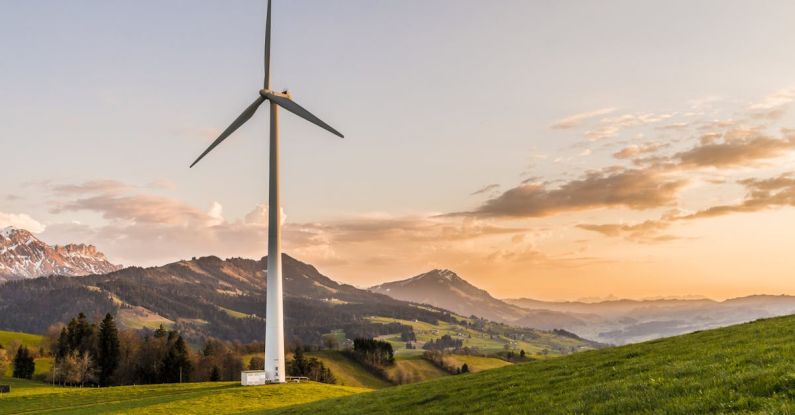
Solar power, in particular, has seen a remarkable rise in popularity due to its abundance and accessibility. The falling costs of solar panels and the scalability of solar installations make it an attractive option for both residential and commercial use. Wind power is another renewable energy source that has gained traction, with large wind farms harnessing the power of the wind to generate electricity on a massive scale.
Challenges in Meeting Global Energy Demands
While the growth of renewable energy is promising, there are challenges that need to be addressed to ensure it can meet global energy demands. One of the main challenges is the intermittency of renewable energy sources. Solar and wind power generation is dependent on weather conditions, which can be unpredictable and variable. This variability poses challenges for ensuring a consistent and reliable energy supply, especially during periods of high demand.
Another challenge is the issue of energy storage. Renewable energy sources often generate electricity when it is not immediately needed. To address this, efficient energy storage solutions are needed to store excess energy for use when demand is high. Battery technology has made significant strides in recent years, but further advancements are necessary to improve storage capacity and efficiency.
Infrastructure and Grid Integration
The integration of renewable energy into existing energy systems is another key consideration in meeting global energy demands. Upgrading infrastructure and modernizing grids to accommodate the decentralized nature of renewable energy sources is essential for ensuring a smooth transition to a renewable energy future. Smart grid technologies, energy management systems, and grid-scale storage solutions play a crucial role in optimizing the integration of renewable energy into the grid.
Policy and Investment
Government policies and investment play a significant role in driving the growth of renewable energy. Supportive policies such as incentives, subsidies, and renewable energy targets encourage investment in clean energy technologies and help drive the transition away from fossil fuels. Investment in research and development is also crucial for advancing renewable energy technologies and overcoming technical challenges.
The Road Ahead
As the world continues to grapple with the challenges of climate change and the need for sustainable energy solutions, the role of renewable energy in meeting global energy demands is more important than ever. While there are obstacles to overcome, the momentum behind renewable energy continues to grow, driven by advancements in technology, decreasing costs, and a growing awareness of the need for a sustainable energy future.
In conclusion, the potential for renewable energy to meet global energy demands is promising, but it will require concerted efforts from governments, industries, and individuals to overcome challenges and accelerate the transition to a clean energy future. By investing in renewable energy technologies, upgrading infrastructure, and implementing supportive policies, we can work towards a more sustainable and resilient energy system that meets the needs of current and future generations.