Can Renewable Energy Power the World’s Cities?
In a world increasingly focused on sustainability and reducing carbon emissions, the role of renewable energy sources in powering cities has become a topic of significant interest and debate. With the global population continuing to grow, urban areas are facing immense challenges in meeting the energy demands of their residents while also minimizing their environmental impact. Can renewable energy be the answer to powering the world’s cities sustainably and efficiently?
The Rise of Renewable Energy in Urban Areas
Cities around the world are recognizing the importance of transitioning to renewable energy sources to meet their power needs. Renewable energy, which includes sources such as solar, wind, hydroelectric, and geothermal power, offers a cleaner and more sustainable alternative to traditional fossil fuels like coal and oil. The decreasing costs of renewable energy technologies have made them increasingly competitive with conventional sources, leading many cities to invest in renewable energy infrastructure.
Solar Power: Harnessing the Sun’s Energy
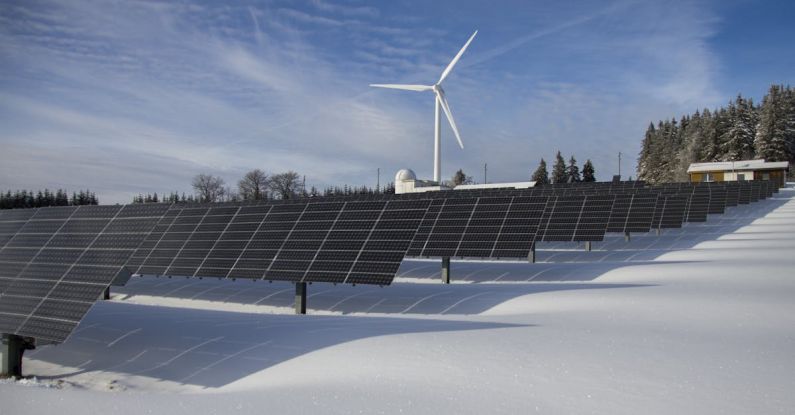
Solar power is one of the most promising renewable energy sources for urban areas. With advancements in solar panel technology and decreasing costs, more cities are turning to solar energy to meet their electricity needs. Solar panels can be installed on rooftops, parking lots, and even on the sides of buildings, making them a versatile option for urban environments. In addition to being environmentally friendly, solar power can also help cities reduce their reliance on the grid and increase their energy independence.
Wind Power: Utilizing a Clean Energy Source
Wind power is another renewable energy source that holds great potential for powering cities. Wind turbines can be installed both onshore and offshore, providing a consistent source of clean energy. While there are challenges associated with integrating wind power into urban areas, such as concerns about noise and visual impact, technological advancements are making it increasingly feasible to harness the power of the wind in urban environments. Cities like Copenhagen and Hamburg have already made significant investments in wind power, demonstrating its viability as a renewable energy source for urban areas.
Hydroelectric Power: Tapping into Water Resources
Hydroelectric power, generated by harnessing the energy of flowing water, has long been a staple of renewable energy production. While large-scale hydroelectric dams may not be feasible in urban areas, smaller-scale hydroelectric projects, such as run-of-river systems, can be implemented to generate clean energy locally. By utilizing the natural flow of rivers and streams, cities can tap into a reliable and sustainable source of power without producing carbon emissions.
Geothermal Power: Harnessing the Earth’s Heat
Geothermal power harnesses the heat stored beneath the Earth’s surface to generate electricity. While geothermal power plants are typically located in areas with active geothermal activity, such as geysers and hot springs, advancements in geothermal technology have made it possible to tap into the Earth’s heat in urban areas. District heating systems that utilize geothermal energy can provide buildings with heating and cooling in a sustainable and cost-effective manner, reducing the reliance on fossil fuels for thermal energy.
Overcoming Challenges: The Path to a Renewable Future
While renewable energy sources offer great promise for powering the world’s cities sustainably, there are challenges that must be overcome to realize this vision. Issues such as intermittency, storage, and grid integration pose significant obstacles to the widespread adoption of renewable energy in urban areas. However, with continued investment in research and development, as well as supportive policies and incentives, cities can overcome these challenges and transition to a renewable energy future.
In Conclusion: Paving the Way to Sustainable Cities
As cities grapple with the dual challenges of meeting their energy needs and reducing their environmental impact, renewable energy sources offer a promising solution. By harnessing the power of the sun, wind, water, and Earth, cities can power themselves sustainably and efficiently, paving the way to a more sustainable future for urban areas around the world. With the right investments and policies in place, renewable energy can indeed power the world’s cities and help create a cleaner, greener, and more sustainable urban environment for all.