How Are Cultural Movements Affecting Fashion Trends?
Fashion is a dynamic industry that is constantly evolving, influenced by a myriad of factors. One significant driver of change in the fashion world is cultural movements. As societies shift and embrace new ideas, values, and perspectives, these changes are reflected in the clothes we wear. From music to art, politics to social media, cultural movements play a pivotal role in shaping fashion trends. Let’s delve into how these movements impact the ever-changing landscape of style.
The Intersection of Music and Fashion
Music has long been intertwined with fashion, with musicians often serving as style icons and trendsetters. From Elvis Presley’s rock ‘n’ roll rebellion to Madonna’s bold and provocative looks, artists have used their platform to make a statement through their fashion choices. Today, we see artists like Beyoncé and Harry Styles using their influence to blur gender norms and push boundaries in the fashion world. Collaborations between musicians and fashion brands have also become increasingly common, further solidifying the connection between music and style.
Artistic Expressions in Fashion
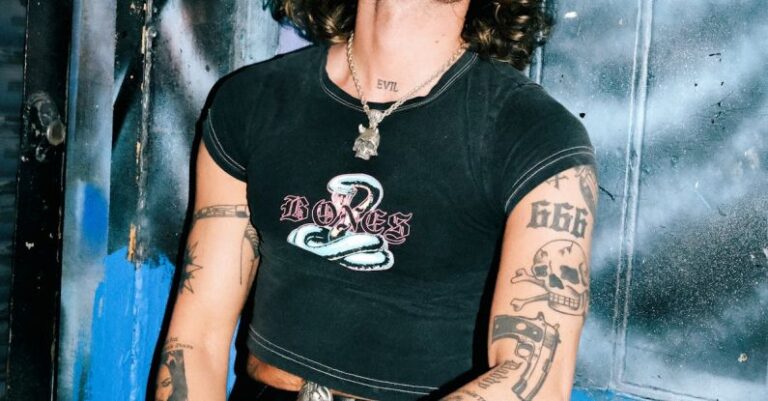
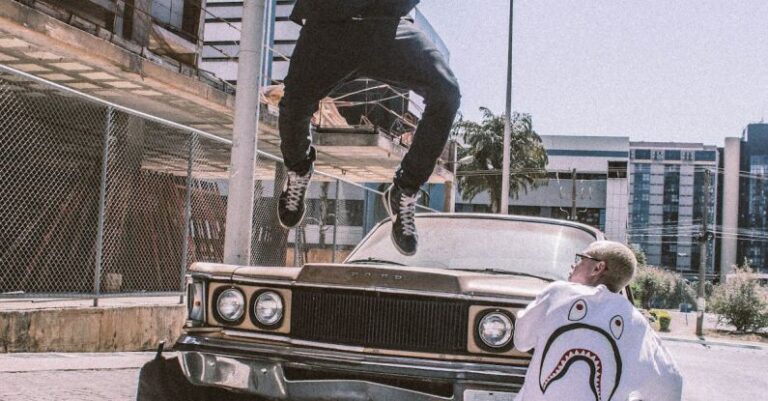
Art has always been a source of inspiration for designers, with many drawing from the world of painting, sculpture, and other art forms to create innovative and visually striking collections. Cultural movements in art, such as the rise of street art and graffiti, have had a profound impact on fashion, giving rise to urban streetwear brands and bold, graphic prints. Designers often collaborate with artists to create unique pieces that blur the lines between fashion and art, resulting in collections that are both visually stimulating and thought-provoking.
Political Statements Through Clothing
Fashion has long been used as a form of political expression, allowing individuals to communicate their beliefs and values through what they wear. In recent years, we have seen a surge in politically-charged fashion movements, from the rise of sustainable and ethical fashion to the embrace of gender-neutral clothing. Designers are increasingly using their platforms to advocate for social and environmental causes, creating collections that not only look good but also make a powerful statement. Consumers are also becoming more conscious of the impact of their clothing choices, leading to a shift towards more sustainable and ethical fashion practices.
The Influence of Social Media
Social media has revolutionized the way we consume and interact with fashion, providing a platform for individuals to share their personal style and influence trends on a global scale. Influencers and fashion bloggers have become powerful voices in the industry, shaping consumer preferences and driving demand for specific brands and styles. The rise of Instagram and TikTok has democratized fashion, allowing anyone with an internet connection to participate in the conversation and showcase their unique sense of style. As a result, cultural movements that gain traction on social media can quickly translate into mainstream fashion trends.
The Globalization of Fashion
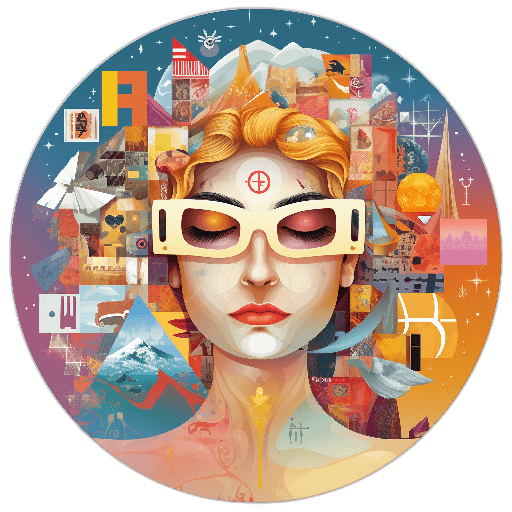
As the world becomes increasingly interconnected, cultural movements from around the globe are influencing fashion trends in new and exciting ways. Designers are drawing inspiration from diverse cultures and traditions, resulting in collections that celebrate the richness and diversity of our world. Collaborations between international designers and brands are becoming more common, blurring the lines between Western and non-Western fashion and creating a more inclusive and globally-minded industry. This globalization of fashion allows for greater creativity and innovation, as designers are exposed to a wider range of influences and perspectives.
Embracing Diversity and Inclusion
In recent years, there has been a growing movement towards diversity and inclusion in the fashion industry, with designers and brands striving to showcase a more representative range of body types, ethnicities, and identities. This shift towards greater inclusivity has been driven by cultural movements advocating for greater visibility and representation for marginalized communities. Fashion shows and campaigns are becoming more diverse, featuring models of different backgrounds and abilities, and designers are creating collections that cater to a wider range of sizes and identities. This emphasis on diversity and inclusion is not only a reflection of changing social attitudes but also a recognition of the fact that fashion should be a space where everyone feels seen and valued.
In Conclusion: Fashion as a Reflection of Cultural Movements
Fashion is a powerful form of self-expression that is deeply influenced by the cultural movements of our time. From music to art, politics to social media, these movements shape the way we dress, the brands we support, and the messages we convey through our clothing choices. As the world continues to evolve, so too will fashion, reflecting the values, ideas, and aspirations of our society. By embracing diversity, inclusivity, and creativity, the fashion industry can continue to be a force for positive change and a reflection of the diverse and dynamic world we live in.