
How Do Cultural Festivals Impact Tourism?
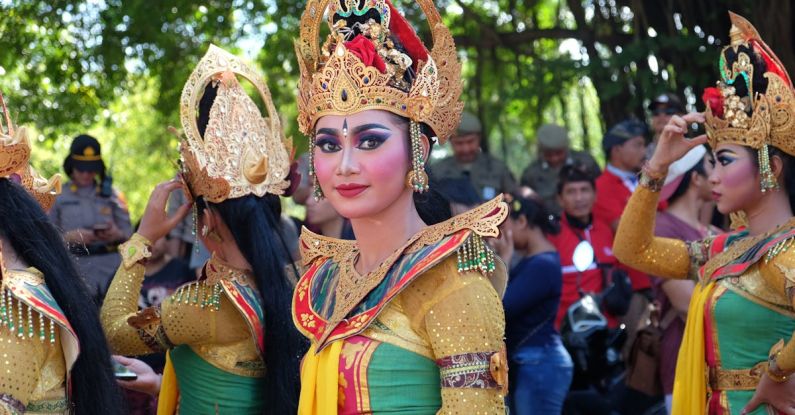
Cultural festivals have become a significant driver of tourism around the world, attracting millions of visitors each year seeking to immerse themselves in unique cultural experiences. These festivals showcase the rich heritage, traditions, and customs of a particular region, offering visitors a glimpse into the local way of life. From music and dance to food and art, cultural festivals have a profound impact on tourism, drawing travelers from far and wide. Let’s delve into how these vibrant celebrations influence tourism and why they are essential for the growth of the travel industry.
**Preservation of Cultural Heritage**
One of the primary ways cultural festivals impact tourism is by preserving and promoting a region’s cultural heritage. These festivals serve as a platform to showcase traditional customs, rituals, and practices that may be fading away in the face of modernization. By celebrating these cultural elements, festivals help to keep traditions alive and pass them down to future generations. Tourists are drawn to these events as they offer an authentic and immersive experience, allowing them to learn about a culture firsthand. This preservation of cultural heritage not only benefits tourism but also plays a crucial role in safeguarding intangible cultural assets.
**Boost to Local Economy**
Cultural festivals inject a significant economic boost into the local economy, benefiting various sectors such as hospitality, transportation, and retail. As tourists flock to these festivals, they create a surge in demand for accommodation, food, souvenirs, and other services, generating revenue for local businesses. The influx of visitors also creates job opportunities and stimulates growth in the tourism-related industries. Additionally, cultural festivals often attract media coverage and sponsorship, further enhancing the economic impact on the host region. By driving tourism, these festivals contribute to the overall economic development of the area.
**Cultural Exchange and Understanding**
Another crucial impact of cultural festivals on tourism is the promotion of cultural exchange and understanding. These events bring together people from diverse backgrounds, fostering interactions and dialogue among individuals with different cultural perspectives. Through music, art, dance, and cuisine, cultural festivals provide a platform for cultural diplomacy, promoting mutual respect and appreciation for each other’s traditions. Tourists who attend these festivals gain insights into the host culture, breaking down stereotypes and building bridges across cultures. This exchange of ideas and experiences enriches the travel experience and promotes a more interconnected global community.
**Destination Promotion and Branding**
Cultural festivals play a vital role in promoting a destination and enhancing its brand image on the global stage. These events create a unique selling point for a region, attracting tourists who are seeking authentic cultural experiences. By hosting vibrant and well-organized festivals, destinations can distinguish themselves from competitors and position themselves as cultural hubs. The positive word-of-mouth generated by satisfied festival attendees further promotes the destination to a wider audience. Over time, cultural festivals can establish a destination as a must-visit place for travelers looking to explore diverse cultures and traditions.
**Sustainable Tourism Development**
In recent years, there has been a growing emphasis on sustainable tourism practices, and cultural festivals can contribute to this goal. By showcasing traditional practices and promoting local artisans, festivals support sustainable livelihoods and help preserve the environment. Many cultural festivals incorporate eco-friendly initiatives such as recycling programs, energy-efficient practices, and community engagement projects to minimize their environmental impact. By embracing sustainability, cultural festivals can attract conscientious travelers who are seeking authentic experiences that also benefit the local community and the environment.
**In Conclusion**
Cultural festivals have a profound impact on tourism, serving as catalysts for economic growth, cultural exchange, and sustainable development. These vibrant celebrations not only showcase a region’s cultural heritage but also promote understanding and appreciation among diverse audiences. By leveraging the power of cultural festivals, destinations can attract visitors, boost their economy, and create a lasting impression on travelers from around the world. As cultural festivals continue to evolve and innovate, their influence on tourism will remain a driving force in shaping the travel industry for years to come.