How Do Major Sporting Events Impact Local Economies?
Major sporting events have a significant impact on local economies, often bringing about a flurry of economic activity and opportunities for the host city or region. These events, ranging from the Olympics to the FIFA World Cup, draw in large crowds of spectators, athletes, and media personnel from all over the world. As a result, the influx of visitors and the associated spending can have wide-reaching effects on the local economy. Let’s delve into how major sporting events impact local economies.
Boost in Tourism Revenue
One of the most immediate and noticeable impacts of hosting a major sporting event is the boost in tourism revenue. With thousands of visitors descending upon the host city or region, there is a surge in demand for accommodations, dining, transportation, and entertainment services. Hotels, restaurants, and local businesses experience increased patronage, leading to a spike in sales and revenue. This influx of tourist spending can provide a much-needed economic boost to the local economy, benefiting a wide range of industries.
Infrastructure Development and Investment
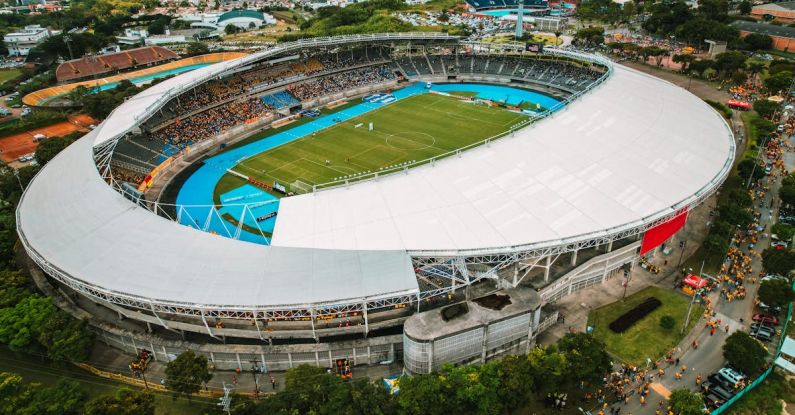
Hosting a major sporting event often requires significant investment in infrastructure and facilities to accommodate the influx of visitors and the needs of athletes and officials. This investment can lead to the development of new sports venues, transportation networks, hotels, and other amenities that can have long-lasting benefits for the local community. Improved infrastructure can enhance the overall attractiveness of the host city or region, making it more appealing to tourists, businesses, and residents alike.
Job Creation and Economic Stimulus
Major sporting events create a host of job opportunities across various sectors, from event management and hospitality to construction and security. The need for additional staff to support the event, as well as the ripple effects of increased economic activity, can lead to job creation and reduced unemployment rates in the local area. This influx of employment opportunities can provide a welcome boost to the local workforce and stimulate economic growth in the region.
Promotion of Local Businesses and Culture
Hosting a major sporting event offers a unique opportunity to showcase the host city or region on a global stage. Local businesses, artisans, and cultural attractions can benefit from increased visibility and exposure to an international audience. The event can serve as a platform for promoting local products, traditions, and heritage, helping to attract future visitors and investment to the area. Additionally, the influx of diverse cultures and perspectives brought by the event can enrich the local community and foster greater cultural exchange.
Legacy and Long-Term Benefits
While the immediate economic impacts of hosting a major sporting event are significant, the long-term benefits can be even more profound. The legacy of the event, including improved infrastructure, enhanced facilities, and heightened global recognition, can have lasting effects on the host city or region. These investments can continue to attract tourists, businesses, and events in the years to come, contributing to sustained economic growth and development.
In Conclusion: Sustainable Growth and Community Engagement
Major sporting events have the potential to catalyze sustainable growth and development in the host city or region. By leveraging the economic opportunities presented by these events, local governments, businesses, and communities can work together to maximize the benefits and create a lasting legacy for future generations. Through strategic planning, investment, and community engagement, major sporting events can serve as a powerful catalyst for economic prosperity and social cohesion.