How Has Streetwear Influenced High Fashion?
The Intersection of Streetwear and High Fashion
The world of fashion is a dynamic and ever-evolving landscape where trends come and go, styles shift, and influences merge. One of the most prominent shifts in the industry in recent years has been the blurring of lines between streetwear and high fashion. Once considered distinct and separate realms, these two spheres have collided to create a fusion that has revolutionized the way we perceive and engage with clothing. The influence of streetwear on high fashion has been profound, reshaping the industry and challenging traditional notions of luxury and exclusivity.
The Rise of Streetwear
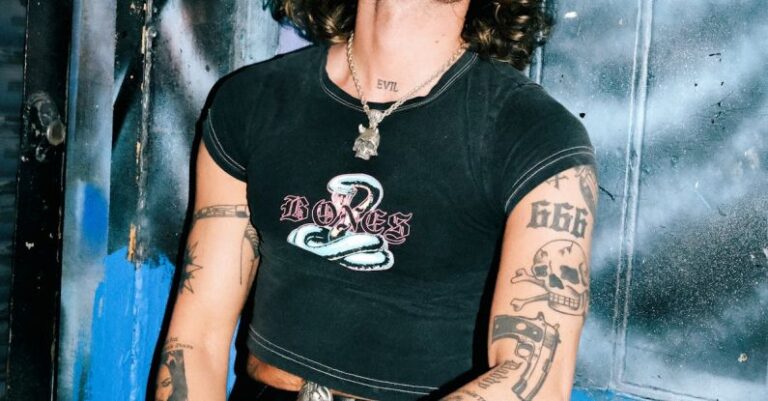
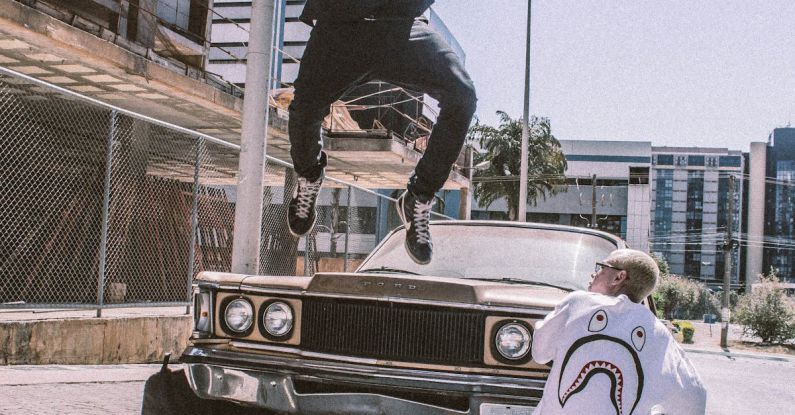
Streetwear emerged in the late 20th century as a subcultural movement that was rooted in urban communities and influenced by hip-hop, skateboarding, and other street-centric activities. Characterized by its casual, comfortable, and often edgy aesthetic, streetwear was initially seen as a form of self-expression for marginalized groups seeking to carve out their own space in the fashion world. Brands like Stüssy, Supreme, and A Bathing Ape were among the pioneers of the streetwear movement, creating clothing that resonated with the rebellious spirit of youth culture.
As streetwear gained popularity and mainstream recognition, it began to intersect with high fashion in unexpected ways. What was once considered underground and niche suddenly found itself on the runways of prestigious fashion houses and in the wardrobes of celebrities and fashion influencers. This convergence of streetwear and high fashion marked a shift in the industry, blurring the boundaries between luxury and street style and challenging conventional ideas of what constitutes high-end fashion.
The Influence of Streetwear on High Fashion
Streetwear’s influence on high fashion can be seen in various aspects of the industry, from design aesthetics to marketing strategies. One of the most noticeable impacts of streetwear on high fashion is the emphasis on comfort, functionality, and wearability. Streetwear brands prioritize practicality and versatility, creating clothing that is not only stylish but also comfortable and easy to wear. This focus on functionality has permeated high fashion, leading to the rise of athleisure and casual-chic styles that prioritize comfort without sacrificing style.
Moreover, streetwear’s emphasis on inclusivity and diversity has had a significant impact on high fashion, prompting designers to create collections that cater to a wider range of body types, genders, and cultural backgrounds. Streetwear’s democratizing influence has challenged the elitism and exclusivity often associated with high fashion, opening up the industry to a more diverse and inclusive audience.
Another key aspect of streetwear’s influence on high fashion is its ability to disrupt traditional fashion cycles and hierarchies. Streetwear brands operate on a different timeline than high fashion houses, releasing collections on a more frequent basis and often collaborating with artists, musicians, and other creatives to create limited-edition pieces. This fast-paced, collaborative approach to design has forced high fashion brands to adapt and innovate, leading to a more dynamic and responsive industry.
The Evolution of High Fashion
The fusion of streetwear and high fashion has not only influenced the design and marketing strategies of luxury brands but has also transformed the way we perceive and consume fashion. The traditional distinctions between streetwear and high fashion have become increasingly blurred, with designers and consumers embracing a more eclectic and diverse approach to style. High fashion brands are now more likely to collaborate with streetwear labels, feature street-inspired designs in their collections, and draw inspiration from urban culture and street style.
This evolution of high fashion has led to a more inclusive and democratic industry that celebrates individuality, creativity, and self-expression. The influence of streetwear on high fashion has challenged the status quo, pushed boundaries, and redefined what it means to be fashionable in the 21st century. As the lines between streetwear and high fashion continue to blur, the future of the industry looks more diverse, dynamic, and exciting than ever before.
Innovative Collaborations and Cross-Pollination
One of the most tangible manifestations of the influence of streetwear on high fashion is the proliferation of collaborations between streetwear brands and luxury fashion houses. These collaborations bring together the distinct aesthetics and identities of both worlds, resulting in unique and groundbreaking collections that resonate with a global audience. From Louis Vuitton x Supreme to Off-White x Nike, these collaborations have redefined the boundaries of fashion, creating a new paradigm where streetwear and high fashion intersect and coexist.
The cross-pollination of ideas, aesthetics, and influences between streetwear and high fashion has sparked a wave of creativity and innovation in the industry. Designers are increasingly drawing inspiration from street culture, urban landscapes, and everyday life, infusing their collections with a sense of vitality and authenticity. This exchange of ideas and influences has enriched the fashion landscape, leading to a more dynamic and inclusive industry that celebrates diversity, creativity, and individuality.
The Future of Fashion
As streetwear continues to influence high fashion and vice versa, the future of the industry looks more collaborative, inclusive, and diverse than ever before. The fusion of streetwear and high fashion has shattered traditional boundaries and opened up new possibilities for creativity and self-expression. With designers, brands, and consumers embracing a more eclectic and diverse approach to style, the fashion landscape is evolving in exciting and unexpected ways.
In conclusion, the intersection of streetwear and high fashion has transformed the industry, challenging traditional notions of luxury and exclusivity and redefining what it means to be fashionable in the 21st century. As streetwear continues to influence high fashion and vice versa, the boundaries between these two worlds will continue to blur, leading to a more inclusive, democratic, and vibrant fashion landscape. The future of fashion is bright, bold, and full of possibilities, thanks to the dynamic and transformative influence of streetwear on high fashion.