Is Space Tourism Becoming a Reality?
Space Tourism: A Dream or a Reality?
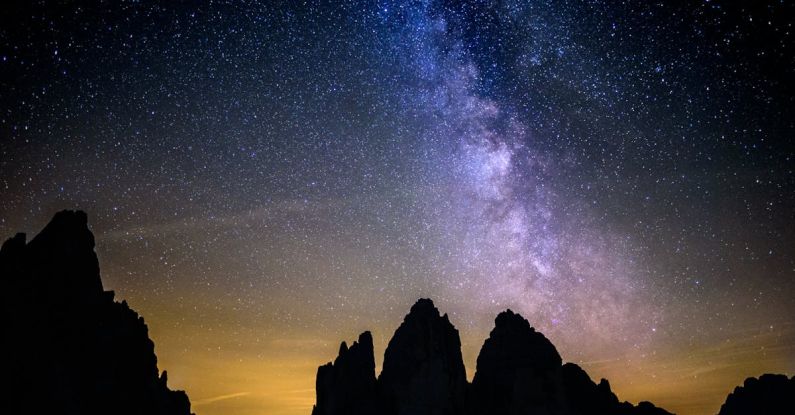
The concept of space tourism has long captured the imagination of people worldwide. The idea of ordinary individuals being able to travel beyond Earth’s atmosphere, experience weightlessness, and witness the beauty of space firsthand seemed like a far-off dream for many years. However, recent advancements in technology and a growing interest from private companies have brought the possibility of space tourism closer to reality than ever before. In this article, we will explore the current state of space tourism and discuss whether it is truly on the verge of becoming a mainstream reality.
The Rise of Private Space Companies
One of the key drivers behind the potential rise of space tourism is the emergence of private space companies such as SpaceX, Blue Origin, and Virgin Galactic. These companies, led by visionary entrepreneurs like Elon Musk, Jeff Bezos, and Richard Branson, have made significant strides in developing reusable rocket technology and spacecraft capable of carrying passengers into space. By leveraging innovative engineering solutions and private funding, these companies have disrupted the traditional space industry and paved the way for a new era of space exploration.
Suborbital Flights: A Taste of Space
One of the most accessible forms of space tourism currently being developed is suborbital space flights. Companies like Virgin Galactic and Blue Origin are working on spacecraft that can take passengers on brief trips to the edge of space, allowing them to experience a few minutes of weightlessness and witness the curvature of the Earth. While these flights may not reach the same heights as orbital missions, they offer a more affordable and achievable entry point for aspiring space tourists.
Challenges and Considerations
Despite the progress made in the field of space tourism, there are still significant challenges that need to be addressed before it can become a mainstream reality. Safety remains a primary concern, as the harsh environment of space presents unique risks that must be mitigated to ensure the well-being of passengers. Additionally, the high cost of space travel is a significant barrier for many individuals who dream of experiencing space firsthand. Companies are working to address these challenges through rigorous testing, technological advancements, and efforts to drive down costs.
Orbital Space Tourism: The Next Frontier
While suborbital space flights offer a glimpse of space tourism’s potential, the ultimate goal for many companies is to enable orbital space tourism. SpaceX, for example, has announced plans to send private individuals on missions to the International Space Station aboard its Crew Dragon spacecraft. These missions would allow passengers to spend an extended period in space, conducting research, and experiencing life aboard a space station. If successful, these ventures could open up a new era of space travel for civilians.
The Future of Space Tourism
As technology continues to advance and private companies push the boundaries of what is possible in space travel, the dream of space tourism is inching closer to reality. While challenges remain, the progress made in recent years is a testament to the determination and ingenuity of those working towards this goal. Whether it is suborbital joyrides or extended stays aboard space stations, the future of space tourism holds exciting possibilities for those who dare to dream of reaching for the stars.
In conclusion, space tourism is no longer just a fantasy reserved for astronauts and scientists. With the efforts of private space companies and the gradual democratization of access to space, the prospect of ordinary individuals venturing beyond Earth’s confines is becoming increasingly plausible. While there are still hurdles to overcome, the progress made in recent years suggests that space tourism may soon transition from a dream to a reality within our grasp. The final frontier is beckoning, and the era of civilian space travel may be closer than we think.