
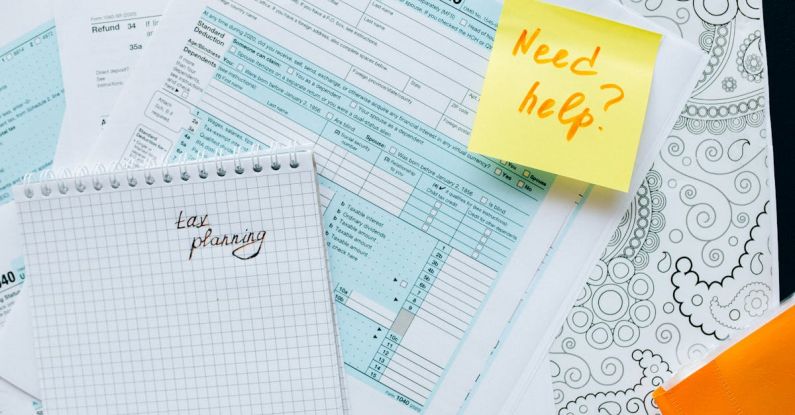
What Are the Basics of Smart Tax Planning?
Navigating the complex world of taxes can be a daunting task for many individuals and businesses. However, with proper planning and strategizing, you can minimize your tax liabilities and maximize your financial well-being. Smart tax planning involves understanding the basics of taxation, utilizing available deductions and credits, and staying organized throughout the year. In this article, we will delve into the fundamentals of smart tax planning to help you take control of your tax situation and achieve financial success.
Understanding Tax Basics
At the core of smart tax planning is a solid understanding of the basic principles of taxation. Taxes are levied by governments to fund public services and infrastructure. There are various types of taxes, including income tax, sales tax, property tax, and corporate tax. Income tax is one of the most common forms of taxation and is levied on individuals and businesses based on their income levels. Understanding how different types of taxes work and how they apply to your situation is crucial for effective tax planning.
Maximizing Deductions and Credits
One of the key strategies in smart tax planning is maximizing deductions and credits to reduce your taxable income. Deductions are expenses that can be subtracted from your income before calculating your tax liability, while credits directly reduce the amount of tax you owe. Common deductions include mortgage interest, charitable contributions, and medical expenses. Credits, on the other hand, are often based on specific circumstances such as education expenses or child care costs. By taking advantage of all available deductions and credits, you can significantly lower your tax bill.
Planning for Retirement
Another important aspect of smart tax planning is planning for retirement. Contributions to retirement accounts such as 401(k)s and IRAs are often tax-deductible, meaning you can lower your taxable income while saving for the future. Additionally, income earned within these accounts is tax-deferred, allowing your investments to grow tax-free until retirement. By strategically allocating funds to retirement accounts, you can build a nest egg for your golden years while minimizing your tax burden.
Keeping Organized Records
Staying organized throughout the year is essential for effective tax planning. Keep track of all income, expenses, and receipts to ensure accurate reporting when tax season rolls around. Consider using financial software or apps to streamline the process and make it easier to track your finances. By maintaining organized records, you can easily identify deductions, credits, and other tax-saving opportunities that apply to your situation.
Seeking Professional Advice
While understanding the basics of smart tax planning is crucial, seeking professional advice can provide valuable insights and expertise. Tax laws are constantly changing, and a tax professional can help you navigate the complexities of the tax code and identify opportunities for savings. Whether you work with an accountant, tax attorney, or financial planner, having a knowledgeable professional on your side can make a significant difference in your tax planning efforts.
Conclusion: Taking Control of Your Tax Situation
Smart tax planning is a proactive approach to managing your tax liabilities and achieving financial success. By understanding the basics of taxation, maximizing deductions and credits, planning for retirement, keeping organized records, and seeking professional advice, you can take control of your tax situation and optimize your financial well-being. With careful planning and strategic decision-making, you can minimize your tax burden and set yourself up for a secure financial future.